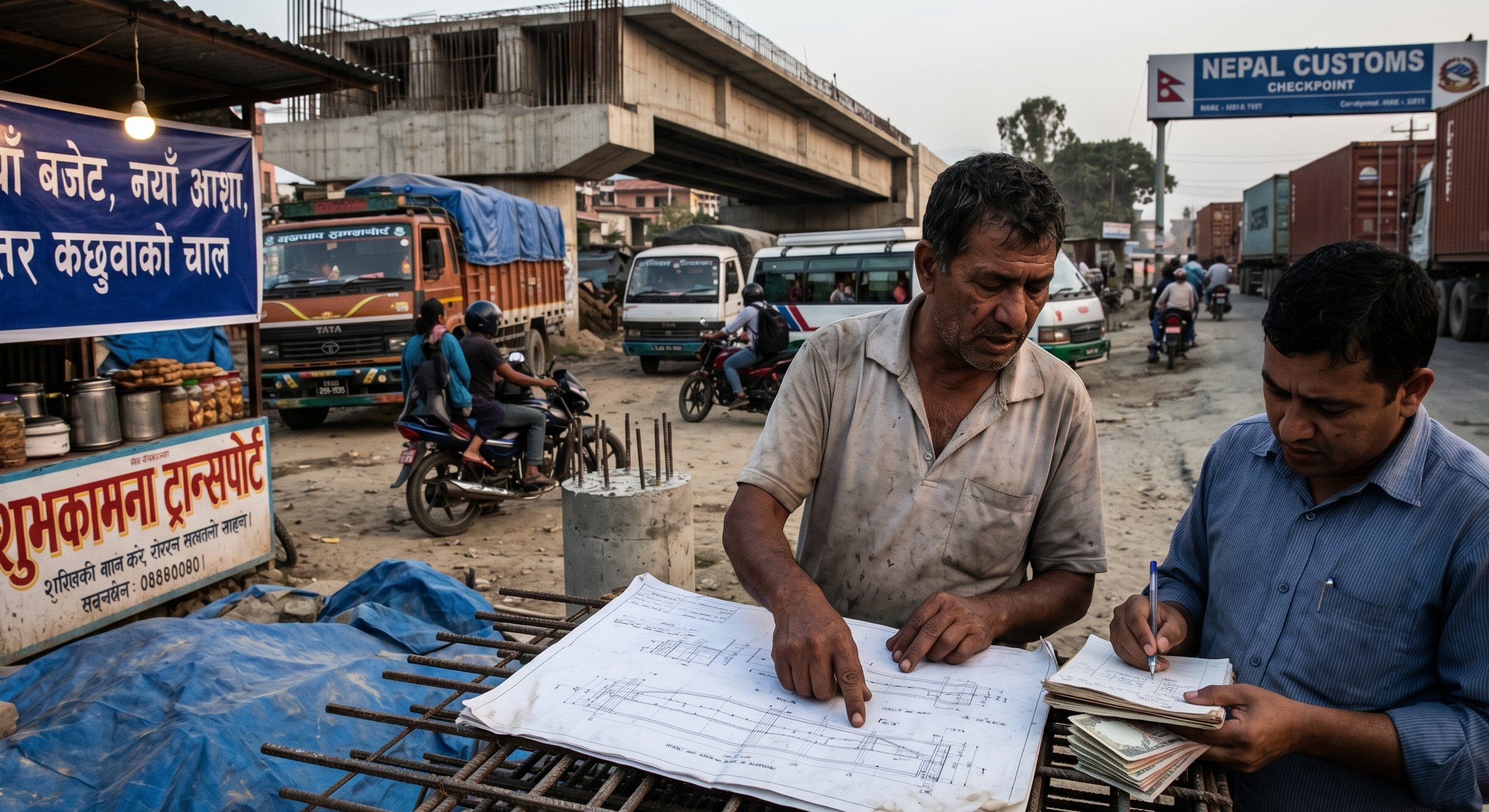
The government is changing how it spends money on infrastructure, and the shift could finally break a cycle of half-built roads and abandoned projects.
Finance Minister Dr. Swarnim Wagle stood before the National Assembly’s Economic Affairs Committee this week with a message that sounded simple but carries enormous weight: the upcoming budget will not scatter money across hundreds of unfinished projects. Instead, funding will flow only to infrastructure works that are already at least 60% complete.
The rule sounds like bureaucratic housekeeping. It is not. Nepal has spent decades starting projects it cannot finish. Roads get half-paved and left. Bridges reach one bank of a river and stop. Irrigation canals are dug but never connected. Every new budget announces new projects, while old ones rot in limbo. The result is a country that spends billions and has frustratingly little to show for it.
The new approach, which will shape the FY 2026/27 budget, is built around a concept called preventing resource dilution. When government money is spread too thin, nothing gets enough funding to actually cross the finish line. By concentrating resources on near-complete projects, the government hopes to generate a string of visible completions that rebuild public confidence and deliver real economic value.
Former finance ministers have been publicly vocal about the need for this kind of structural discipline. Several have urged the ministry to pair the new spending rules with cuts to administrative costs, freeing up more money for actual construction. The private sector, which has been hesitant to invest amid years of policy uncertainty, is watching closely. Business groups have said repeatedly that reliable infrastructure (completed, functioning infrastructure) is among their top requirements before expanding operations.
The upcoming budget is also expected to maintain strict fiscal discipline on overall spending, resisting pressure to expand the deficit. Whether the government can hold that line while also delivering on infrastructure promises will be one of the defining tests of the year ahead.